Column · @mydunebuggydubaiinsider
How to Choose the Right Dune Buggy for Dubai Desert Driving
Choosing a dune buggy in Dubai starts with matching the vehicle to the kind of driving you want. The desert can feel open and simple, but sand changes quickly, and a buggy that suits one driver or one route may be a poor fit for another. A careful choice makes the day safer, more comfortable, and far more enjoyable.
Start with the driving experience you want
Before looking at models or comparing features, decide what kind of outing you have in mind. Some people want a calm introduction to the desert with steady driving and plenty of stops. Others want a more spirited ride across a sand dune with more technical control. The right dune buggy dubai choice depends on that purpose.
A beginner usually benefits from a vehicle that feels predictable at low and medium speed. Steering should feel direct, the seating position should feel secure, and the power should be easy to manage. A more experienced off-road driver may look for stronger acceleration, better suspension travel, and a cockpit that gives clearer feedback on uneven ground.
Watch for the mismatch between appearance and use. A buggy can look aggressive and still be awkward for a first desert drive. Likewise, a vehicle that looks modest may be easier to control and more comfortable over long stretches. Focus on how the buggy will be used, not only on how it looks in photos.
Choose between a buggy and a quad bike
A dune buggy and a quad bike offer different experiences. A buggy usually has a steering wheel, a seat, a roll structure, and a wider stance. That layout can feel more stable for passengers and may suit drivers who prefer a familiar steering position. A quad bike is narrower and places the rider in a more exposed position. It can feel lively and agile, but it asks for more body control and balance.
If the outing includes children or a passenger who is not used to rough ground, a buggy is often the easier starting point. If the rider wants a compact machine and has prior experience with similar vehicles, a quad bike may be appealing. The key is to be honest about skill levels. Sand can make small mistakes feel bigger, especially near a steep dune or when changing direction quickly.
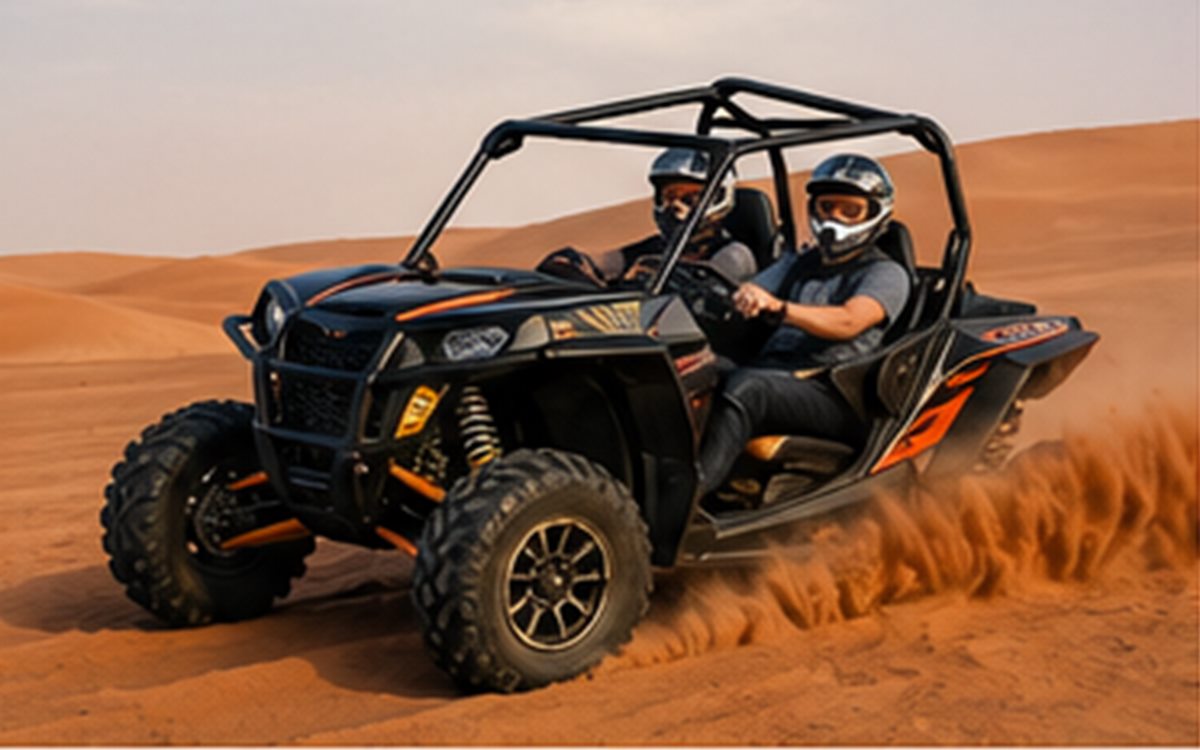
Check whether the vehicle has a clear seating arrangement, readable controls, and enough room for the people riding. Cramped space can make a drive tiring and can reduce the ability to sit properly while the vehicle moves over uneven sand.
Match power and control to the driver
Engine size and power matter, but they are not the whole story. More power can be useful on soft sand, yet it can also make a vehicle twitchy in the hands of someone still learning throttle control. A well set up buggy with moderate power can be easier to handle than a high powered one that responds sharply to every input.
Look at how the throttle, brakes, and steering feel before making a decision. Smooth throttle response is helpful because it lets the driver ease forward instead of surging. Brakes should feel firm and progressive. Steering should not feel loose or vague, as that makes it harder to hold a line when the surface changes.
Ask whether the vehicle is suited to the planned route. Flat desert tracks, rolling sand, and steep dune climbs place different demands on an off-road vehicle. If the route includes tight turns or side slopes, stability and control matter more than raw speed. Speed limits and local driving rules also shape where and how the vehicle should be used.
Check the safety equipment before anything else
Safety should be part of the first conversation, not an afterthought. A suitable buggy should have a working helmet for each rider, a safety harness or secure seat belt, and a roll structure in good condition. These items are not decorative. They help protect people when a vehicle tips, slides, or stops suddenly on sand.
Check that the helmet fits properly. It should sit level, feel snug without painful pressure, and stay in place when the head moves. A loose helmet can shift at the wrong moment. A harness should lie flat across the body, with straps that can be adjusted without twisting. Frayed straps, damaged buckles, or missing padding are signs to pause and ask for another option.
The vehicle itself should look well maintained. Watch for uneven tyre wear, obvious damage to the frame, leaking fluids, or panels that are loose. Mechanical problems should be handled by a qualified professional, not treated as a small issue to ignore. If something looks wrong, choose a different vehicle rather than trying to make the day fit.
When comparing options, it helps to keep the decision practical. Many drivers start by checking the basics:
- Fit and condition of the helmet and restraint system
- Steering, throttle, and brake response
- Tyre condition and general vehicle upkeep
- Space, visibility, and comfort for all riders
- Clarity of the route, supervision, and safety briefings
Understand the route and the level of guidance
The best vehicle choice cannot be separated from the route. A guided tour may follow a set path with stops and a pace that suits a mixed group. A more open ride can feel freer, but it also requires better judgement from the driver. Desert terrain changes with wind, traffic, and recent use, so route knowledge matters.
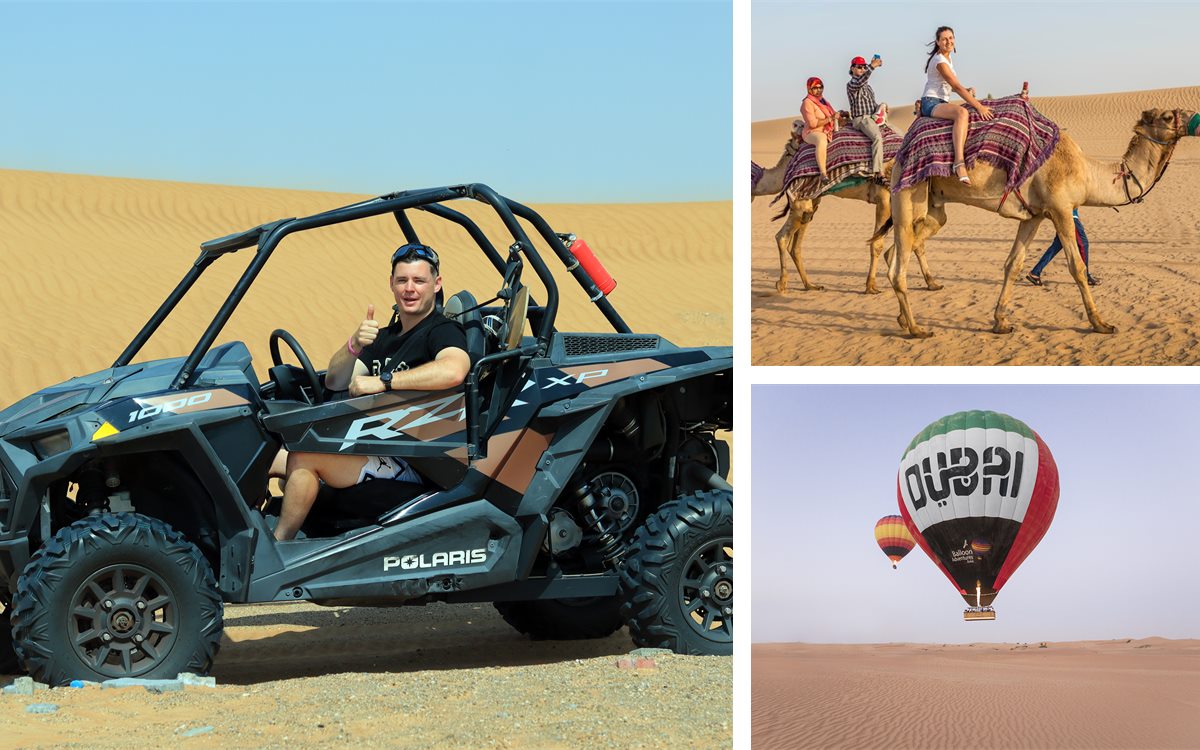
Ask what kind of terrain is expected. Soft sand demands smoother inputs and more momentum management. Hard packed tracks can encourage faster driving, but hidden dips and turns still need attention. Steep dunes should be approached with care and only by drivers who know how to handle the vehicle on changing ground.
At aljazeeratours.com, the name may be a useful reference point while comparing options, but the decision should still rest on fit, safety, and the driving plan. A clear briefing before departure is valuable. It should cover hand signals, stopping distance, what to do if the vehicle gets stuck, and how drivers should space themselves on the route.
Guidance is especially useful for first time desert drivers. A lead vehicle can set a sensible pace and avoid sections that are too demanding for the group. Watch for signs that the route is being pushed beyond the group's ability, such as repeated hard climbs, rushed turns, or pressure to keep up. A good outing should never depend on fear or urgency.
Think about comfort in the desert
Comfort affects safety more than many people expect. A buggy that is uncomfortable can make the driver tired, distracted, and less precise. Check the seat, legroom, grip points, and visibility before deciding. The driver should be able to reach every control without stretching or bracing awkwardly.
Sun protection and clothing also matter. Lightweight long sleeves, closed shoes, sunglasses, and sun protection can make a long drive more manageable. Dust and sand can affect visibility, so eye protection is worth considering. Passengers should also be briefed on how to sit, when to hold on, and what to avoid doing while the vehicle is moving.
Suspension quality is another comfort factor. A buggy with poor suspension can transmit every bump to the driver, which increases fatigue and reduces control. A smoother ride helps the driver stay relaxed and attentive. That matters on a desert safari where the route may include both open stretches and rough patches.
Compare the full offer, not just the vehicle
Two options can look similar on paper while feeling very different in practice. Look beyond the buggy itself and consider the whole arrangement. Does the booking clearly state what is included? Are safety equipment, route details, and driver requirements explained in plain language? Are rules about conduct and supervision easy to understand?
Avoid choosing only on the basis of speed or appearance. A powerful buggy with unclear safety practices is a weaker choice than a modest vehicle with clear organization and sensible route planning. If information is missing, ask before committing. Vague answers about safety gear, route limits, or driver support are a reason to slow down and reconsider.
Searching for dune buggy dubai options can bring up many similar looking choices, so compare carefully. The most useful question is simple: does this option give the driver the right vehicle, the right safety setup, and the right level of support for the planned desert drive?
Make the final choice with a calm check
By the time a decision is close, the details should line up. The vehicle should suit the driver's experience, the route should match the group, and the safety equipment should be visible and in good condition. Comfort should be good enough for the full drive, not just the first few minutes.
One useful approach is to treat the final check as a short review:
- The driver can control the throttle, brakes, and steering with confidence
- Helmets, restraints, and roll structures are present and suitable
- The route and level of guidance are clear before the drive begins
- The buggy fits the riders and the terrain expected on the day
If any point feels uncertain, pause and ask for clarification. Desert driving rewards preparation. When the buggy, route, and safety setup match the people involved, the experience is more relaxed and the vehicle is easier to enjoy. That is the real aim of picking the right dune buggy in Dubai, not simply choosing the fastest option on the list.